




PDR rods are among the most essential tools in paintless dent repair. They are used to reach behind the damaged area and apply controlled pressure from the inside. With the right rod, a technician can slowly move the dent outward and restore the shape of the metal.
PDR rods come in different lengths, diameters, bends, and handle types. Some rods are short and precise, while others are longer and designed for deeper access. A technician may use different rods depending on the dent location, available access, and the amount of pressure needed.
PDR hooks are also important for hard-to-reach areas. They are commonly used for doors, hood areas, braces, and narrow spaces where a straight rod may not work well.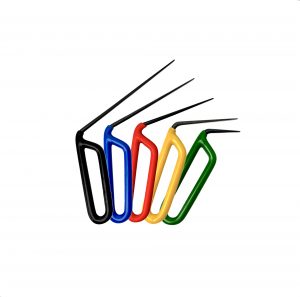
Common types include:
- adjustable handle rods
- fixed handle rods
- door hooks
- hood rods
- brace rods
- hail rods
- special rods
- shaved tools
A good selection of PDR rods and hooks gives technicians more flexibility and makes it easier to choose the correct tool for each repair.
Whale tail tools are designed for wider contact and limited-access areas. Their flat shape allows the technician to work in spaces where regular rods may not provide enough control.
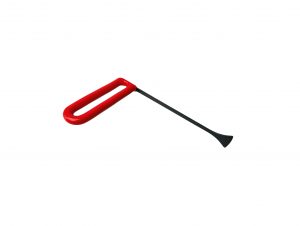 A whale tail PDR tool can be useful for doors, roofs, rails, and areas with restricted access. Because the working end is wider, it can help spread pressure more evenly and reduce the risk of creating sharp high spots.
Whale tails are available in different widths, lengths, and handle types. Some have fixed handles, while others have adjustable handles for better working angles.
Whale tail tools are especially useful when the technician needs controlled pressure in a narrow space.
Glue pulling is an important part of modern paintless dent repair. It is used when the technician cannot reach the back side of the damaged area or when pulling from the outside is the best option.
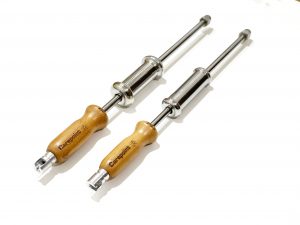
A glue pulling system usually includes glue tabs, glue, a mini lifter or slide hammer, and finishing tools. The glue tab is attached to the dent, then pulled carefully to lift the low area. After pulling, the technician uses knockdowns and blending tools to refine the surface.
Important glue pulling tools include:
- glue tabs
- hot glue sticks
- cold glue
- mini lifters
- slide hammers
- tab adapters
- pulling accessories
Glue pulling is commonly used for hail damage, door dings, roof dents, rails, and areas where inside access is limited.
Both cold glue and hot glue are used in PDR, but they work differently.
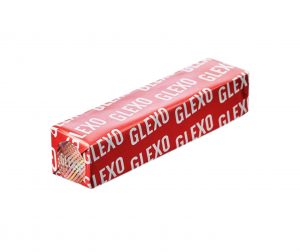
Hot glue is applied with a glue gun and used with plastic glue tabs. It creates a strong bond and is often used for precise pulls, hail damage, and different dent shapes.
Cold glue is used without heating glue sticks. It is popular for quick pulling, hail repair, and larger shallow dents. Cold glue can be especially useful when a technician needs faster workflow and repeated pulls.
Many professional technicians use both systems. Hot glue gives strong controlled pulls, while cold glue can speed up the process in the right repair situations.
A PDR knockdown tool is used to tap down high spots after pushing or pulling. During dent repair, the metal may move slightly higher than needed. Knockdowns help correct these high areas and refine the surface.
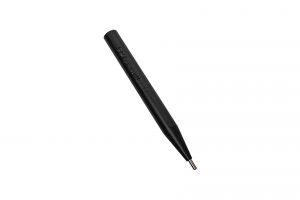
Knockdown tools are usually used with interchangeable tips made from materials such as plastic, rubber, Teflon, wood, or metal. Each tip creates a different effect and is chosen depending on the repair stage and paint surface.
Knockdowns are important for:
- controlling high spots
- refining the repair area
- improving the final shape
- working with crowns and pressure lines
- finishing after glue pulling
- reducing visible distortions
A good knockdown tool gives the technician better control during the final stage of repair.
Blending hammers and paddles are used to soften surface tension and improve the final result. They are especially useful for larger distortions, crowns, and finishing work.
A blending hammer allows the technician to tap and blend the repair area with controlled movement. PDR paddles and knockdown paddles can help distribute pressure over a wider area and create a smoother finish.
These tools are often used together with PDR lights, knockdowns, and rods to achieve a clean final result.
Good lighting is one of the most important parts of paintless dent repair. A PDR light or reflection board helps the technician read the dent clearly. The reflection shows where the metal is low, high, or uneven.
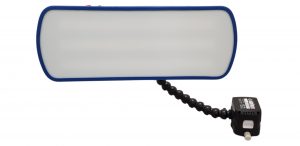
Without proper lighting, it is very difficult to see the exact shape of the dent and control the repair process. Professional PDR lights help technicians work with more accuracy and avoid over-pushing or missing small distortions.
PDR lights are commonly used for:
- reading dents
- checking repair progress
- locating high and low spots
- finishing work
- hail damage repair
- mobile dent repair
A good light can make the repair process much more accurate and efficient.
Interchangeable tips allow technicians to change the contact point of a tool. Different tips are used for different repair situations. Some tips are soft and safe for gentle pushing, while others are harder and more precise.
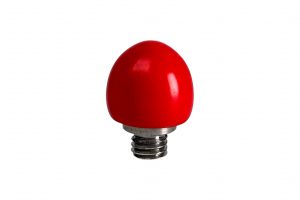
Common PDR tip materials include:
- plastic
- rubber
- metal
- brass
- wood
- Teflon
- Delrin
Using the right tip helps control pressure, protect the paint surface, and improve accuracy. Interchangeable tips also make rods and knockdowns more versatile.
PDR work often requires access tools and small accessories that make the repair easier and safer. These tools help technicians reach the damaged area, protect glass, hold parts in place, or create better working space.
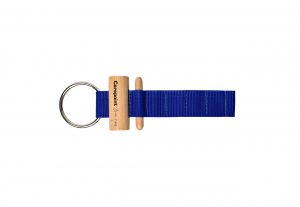
Useful PDR accessories include:
- window guards
- wedges
- hood props
- door tools
- tool holders
- adapters
- extension pieces
- protective accessories
These items may seem small, but they can make a big difference in daily work, especially for mobile technicians and busy repair shops.