




PDR Rods: How to Choose the Right Rod
PDR rods are one of the most important tools in paintless dent repair. They allow a technician to push, lift, and massage the metal from behind the damaged area without damaging the factory paint. Whether you are repairing small door dings, hail damage, or larger dents, choosing the right PDR rod makes the repair more accurate, controlled, and efficient.
In this guide, we will explain what PDR rods are, how they work, and how to choose the right rod for different types of dent repair.
What Are PDR Rods?
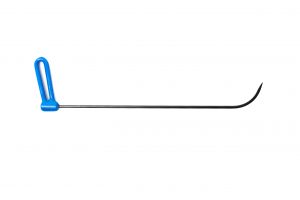
PDR rods are long metal tools used in paintless dent repair to reach the backside of a dent. The technician applies controlled pressure from behind the damaged area, slowly moving the metal back to its original shape.
Unlike traditional body repair, PDR does not require sanding, filler, or repainting when the paint is still intact. This makes PDR rods essential for professional dent removal, especially on doors, fenders, quarter sections, hoods, and roofs.
Professional PDR rods are usually made from strong spring steel or stainless steel. They are designed to provide enough strength for pushing while still giving the technician control and feedback during the repair.
How PDR Rods Work
The main purpose of a PDR rod is to access the dent from behind and apply precise pressure to the low area. The technician reads the reflection from a PDR light or line board and uses the rod tip to move the metal little by little. A good PDR rod should give the technician:
- controlled pushing power,
- comfortable leverage,
- accurate tip placement,
- access to hard-to-reach areas,
- and enough strength without excessive flex.
The better the tool fits the repair area, the easier it is to control the metal and avoid over-pushing. Also, the right PDR rod helps the technician work with better control. For example, thin rods are useful for tight access points and small dents. However, stronger rods are better for deeper dents and harder metal areas. Therefore, choosing the correct rod size can make the repair faster and more accurate.
Main Types of PDR Rods
There are many types of PDR rods, but most of them can be divided into several main categories.
Adjustable Handle PDR Rods
Adjustable handle rods are very popular because the handle position can be changed depending on the repair angle. This gives the technician better leverage and comfort, especially when working in tight spaces.
These rods are useful for general dent repair, door work, fenders, and areas where the working angle changes during the repair.
Fixed Handle PDR Rods
Fixed handle rods have a permanent handle position. They are simple, strong, and reliable. Many technicians use them for repairs where they need direct pushing power and stable control.
They are a good choice for standard access points and repeat repair situations.
Hail Rods
PDR hail rods are commonly used for hail damage repair. They are usually longer and designed to reach roofs, hoods, and larger flat areas. Hail rods help technicians work efficiently on multiple small dents across the same vehicle body area.
They are especially useful for professional hail repair jobs where speed and consistency matter.
Whale Tail Tools
Whale tails are flat, thin PDR tools designed to slide between narrow spaces and bracing. They are often used when a regular rod cannot reach the dent because of limited access behind the damaged area.
Whale tails are useful for doors, roof rails, and areas with internal structure.
Different Rod Diameters
The diameter of the rod affects strength, flexibility, and access.
Thin PDR rods are easier to fit into tight areas and are good for small dents or delicate work. Thicker rods provide more pushing power and are better for stronger metal or deeper dents.
Common rod diameters include 4 mm, 6 mm, 8 mm, and 10 mm. A technician usually needs several sizes to handle different repair situations.
How to Choose the Right PDR Rod
Choosing the right PDR rod depends on the dent size, repair location, access point, and the amount of pressure needed. For small dents and tight access, a thinner rod is often the best choice. It gives more flexibility and allows the technician to reach narrow spaces. For medium dents, a 6 mm or 8 mm rod can provide a good balance between control and strength. For larger dents or stronger metal, a thicker rod gives better leverage and pushing power. The length of the rod is also important. Short rods are useful for close work and better control. Longer rods help reach deeper areas inside doors, hoods, roofs, and quarter sections. The handle type matters too. Adjustable handles are more versatile, while fixed handles can feel more solid and direct.
Best PDR Rods for Beginners
For beginners, it is better to start with a basic set of PDR rods in different lengths and diameters. A good starter setup should include thin rods for small dents, medium rods for general repair, and at least one longer rod for deeper access. Adjustable handle rods are especially useful for beginners because they allow more flexibility while learning different repair angles. Instead of buying many random tools, it is better to choose a few quality rods that cover the most common repair situations.
What Makes a Good PDR Rod?
A high-quality PDR rod should be strong, balanced, and comfortable to use. It should not bend too much under pressure, but it also should not feel too stiff for precise work.
Important features include:
durable steel construction,
comfortable handle grip,
accurate tip shape,
good leverage,
smooth finish,
and reliable control during pushing.
Cheap or poorly made rods can flex too much, lose accuracy, or make the repair more difficult. For professional PDR work, tool quality directly affects the final result.
PDR Rod Tips and Accessories
Many PDR rods can be used with different tips or caps. The tip choice affects how the pressure is applied to the metal. Sharper tips give more precise pressure for small low spots, while softer or wider tips are better for controlled pushing and finishing work. Using the correct tip helps prevent high spots and makes the repair smoother.
Final Thoughts
PDR rods are the foundation of professional paintless dent repair. The right rod gives the technician access, control, and pushing power needed to restore the damaged area without repainting.
When choosing PDR rods, pay attention to the rod length, diameter, handle type, access area, and dent size. A well-chosen set of PDR rods can make repairs faster, cleaner, and more professional.
Whether you are just starting in paintless dent repair or expanding your professional tool collection, quality PDR rods are an essential investment for accurate and efficient dent removal.